Move the slider to see before and after results
The Situation
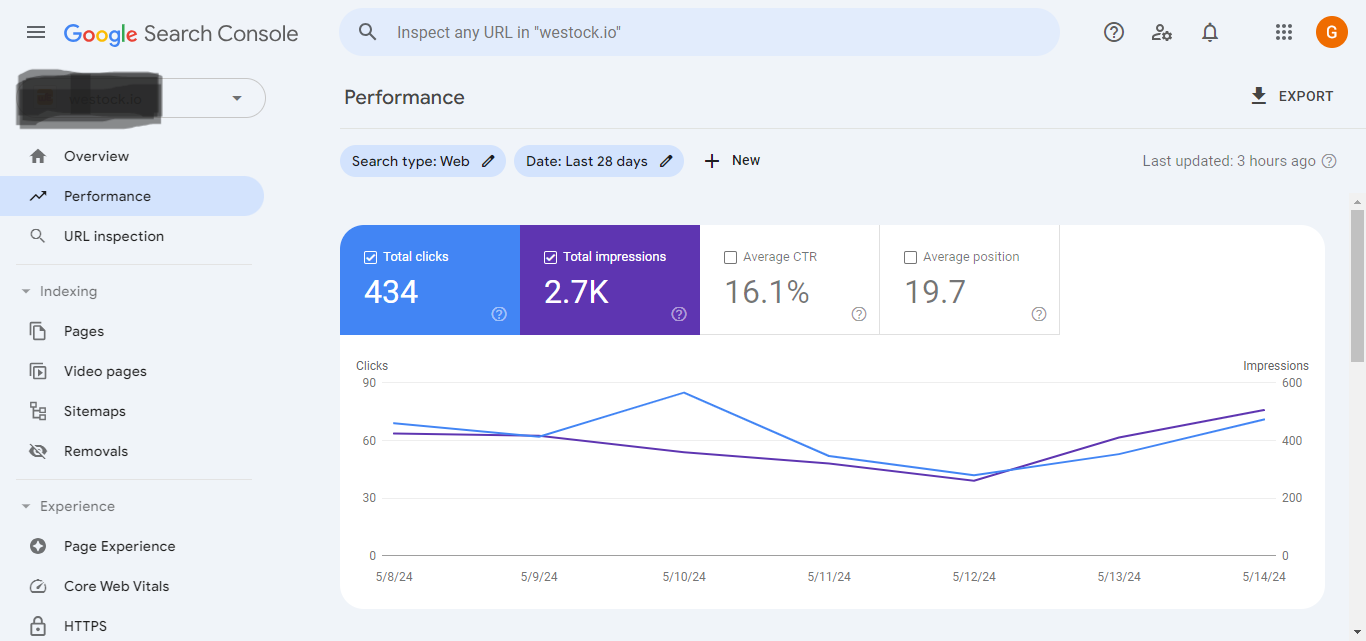
A SaaS platform was struggling to get found on Google. Most of their pages were sitting at an average position of 19.7 — deep on page two. In a 28-day window, the site pulled in just 434 clicks and 2,700 impressions from organic search. The product was solid. The visibility wasn’t.
What We Did
The strategy had three main parts.
First, we ran a full keyword audit. We focused on terms that real buyers type when they’re actively looking for a solution — not just broad industry terms, but specific, intent-driven phrases.
Second, we optimized existing pages. Title tags were rewritten to be more descriptive. Header structures were cleaned up. Internal links were added to connect related pages and pass authority across the site.
Third, we filled content gaps. New pages were created around topics that competitors were ranking for but this site wasn’t covering at all.
The Results
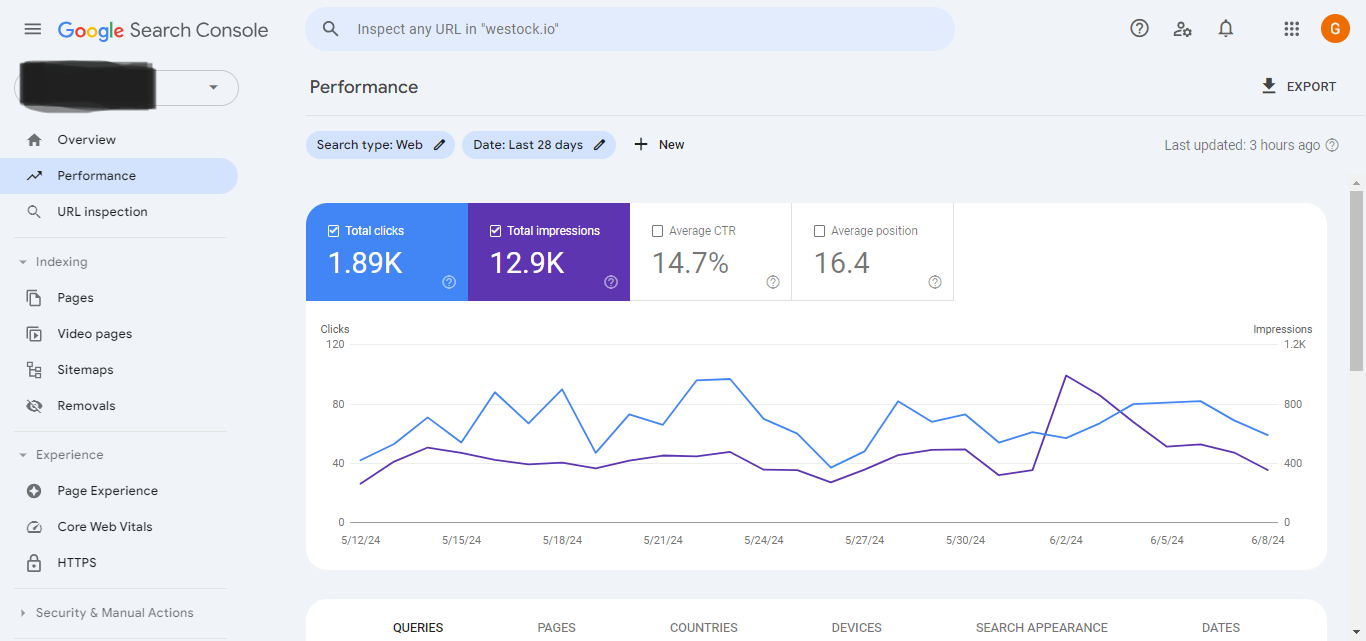
In the next 28-day period, the numbers shifted sharply.
| Metric | Before | After | Change |
|---|---|---|---|
| Total Clicks | 434 | 1,890 | +335% |
| Total Impressions | 2,700 | 12,900 | +378% |
| Avg. Position | 19.7 | 16.4 | Improved |
| Avg. CTR | 16.1% | 14.7% | Broader reach |
The CTR dipped slightly — but that’s because the site started ranking for a wider pool of keywords, including broader terms where CTR naturally runs a bit lower. The raw click and impression growth tells the real story.
Why It Worked
No shortcuts were used. The focus was on making each page genuinely useful for the reader, fixing the technical foundation, and building the kind of content depth that earns trust — both from users and from Google.
For any SaaS business, organic search is one of the most cost-effective growth channels available. But it only delivers when the basics are done right.